How Laser Resurfacing Can Transform Your Skin
Have you ever wondered how laser resurfacing can rejuvenate your skin and enhance your natural glow? In this blog, we'll explore how this remarkable procedure can transform your skin, offering a youthful and radiant appearance. With a focus on simplicity and clarity, we'll delve into the process, benefits, and what you can expect.
Understanding Laser Resurfacing: The Basics
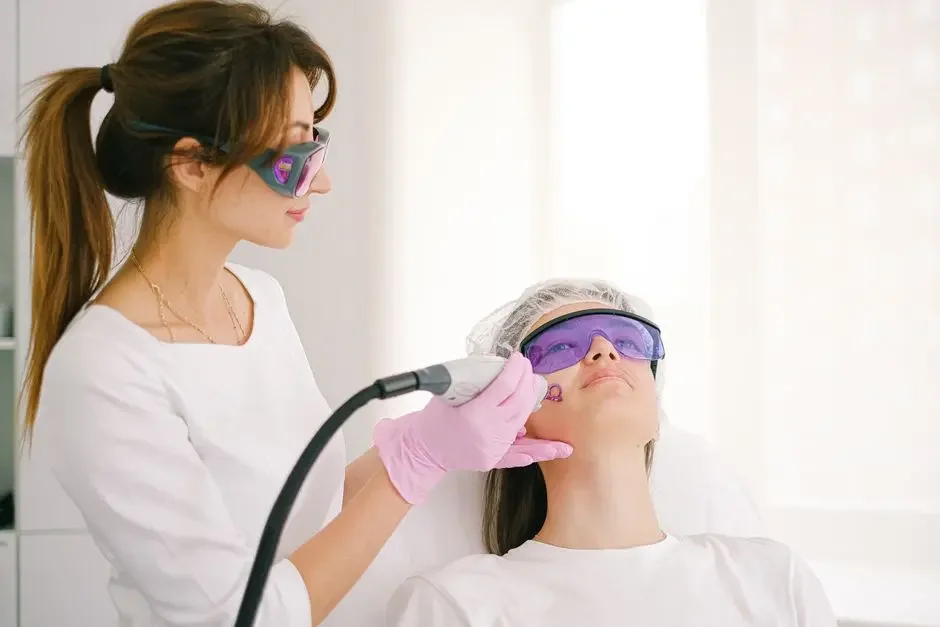
Laser resurfacing is a cosmetic procedure that uses laser technology to improve the skin's appearance. By removing damaged outer layers and stimulating collagen production, this treatment helps in reducing fine lines, acne scars, and sun damage. The beauty of laser resurfacing lies in its precision, targeting specific areas of the skin without affecting the surrounding tissues. This means that the results are both effective and controlled, leading to a transformation that is as safe as it is striking.
The procedure starts with a consultation where your dermatologist assesses your skin's condition and determines the best laser type to suit your needs. This initial step is crucial as it ensures that the treatment plan is tailored specifically to you, maximizing the potential for success. During the procedure, you'll likely feel a warm sensation as the laser penetrates the skin's layers. But don't worry—it's typically a comfortable experience, thanks to the advancements in laser technology which prioritize patient comfort and safety.
Types of Laser Resurfacing Treatments
There are primarily two types of laser resurfacing treatments: ablative and non-ablative. Ablative lasers remove the outer skin layer, while non-ablative lasers target the underlying skin tissue to encourage collagen growth. Each type offers unique benefits and recovery times. For instance, ablative treatments often provide more dramatic results with longer recovery periods, making them suitable for deeper wrinkles and scars. On the other hand, non-ablative lasers are gentler with minimal downtime, perfect for those seeking gradual results.
When choosing between these treatments, consider your lifestyle and the downtime you're able to accommodate. While ablative lasers may require a recovery period, the results are typically more noticeable and longer-lasting. Conversely, non-ablative treatments, though requiring multiple sessions for best results, allow you to resume your daily activities almost immediately. Ultimately, the type of laser resurfacing that's right for you depends on your specific skin concerns and how quickly you wish to see improvements. A good starting point is scheduling a consultation with our knowledgeable team.
Benefits of Laser Resurfacing for Your Skin
Laser resurfacing offers numerous benefits, including improved skin texture, reduced wrinkles, and minimized scars. It can also help even out skin tone and tighten skin for a more youthful appearance. One of the most exciting aspects of laser resurfacing is its ability to promote new collagen development, which is essential for maintaining skin elasticity and youthfulness over time. This natural collagen production means that improvements continue even after the initial treatment, giving you results that last.
Another advantage of laser resurfacing is its versatility. Depending on the specific concerns you have—be it combating signs of aging, addressing sun damage, or reducing acne scars—laser resurfacing can be customized to fit your unique skin goals. With the increasing advancements in laser technology, the treatments are not only more effective but also safer, providing long-lasting beauty without compromising your skin's health. Curious about all the benefits? Discover more ways to achieve glowing skin.
What to Expect During and After the Procedure
Before the procedure, a consultation with a dermatologist will help determine the best treatment for your skin type and goals. During the procedure, you'll experience some warmth and tingling. Post-treatment, it's important to follow aftercare instructions to ensure proper healing and optimal results. This typically involves moisturizing the skin regularly, avoiding sun exposure, and possibly wearing a special protective ointment issued by your dermatologist. These measures are key in protecting your newly resurfaced skin while it heals.
Immediately following the treatment, your skin may appear red and slightly swollen, similar to a mild sunburn. This is entirely normal and should subside within a few days to a week, depending on the intensity of the treatment. To support a smooth recovery, it’s advisable to avoid makeup and strenuous activities until your skin has fully healed. Embracing a gentle skincare routine during this time will also help your skin recover beautifully and maintain the results of your laser treatment over the long term.
Is Laser Resurfacing Right for You?
Laser resurfacing is suitable for many skin types but may not be ideal for everyone. Factors including your skin type, skin health, and overall goals need to be considered. Consulting with a skincare professional can help determine if this treatment aligns with your needs. The key is a personalized approach, ensuring all unique aspects of your skin are taken into account, thereby maximizing the benefits while minimizing any potential risks.
Many individuals find that laser resurfacing fits seamlessly into their skincare regimen, serving as a powerful tool to enhance their complexion. Whether you're looking to correct imperfections, rejuvenate tired-looking skin, or simply maintain a natural glow, understanding both the advantages and limitations of laser treatments is essential. Reach out to our experienced dermatologists for a personalized plan tailored to your specific needs and begin your journey to stunning, revitalized skin.
The Path to Radiant Skin
Laser resurfacing is a fantastic option for those looking to rejuvenate their skin, reduce imperfections, and achieve a radiant glow. By understanding the procedure and its benefits, you can make an informed decision about whether it's right for you. Remember, a consultation with a qualified dermatologist is key to determining the best treatment plan tailored to your needs.