The Art and Science Behind Aesthetic Medicine Clinics
Aesthetic medicine has seen a significant rise in popularity over the years, offering individuals a plethora of options to enhance their appearance and boost their confidence. But what really goes on behind the scenes of aesthetic medicine clinics? Let's dive into the art and science that make these clinics a hub for beauty and wellness.
The Role of Science in Aesthetic Treatments
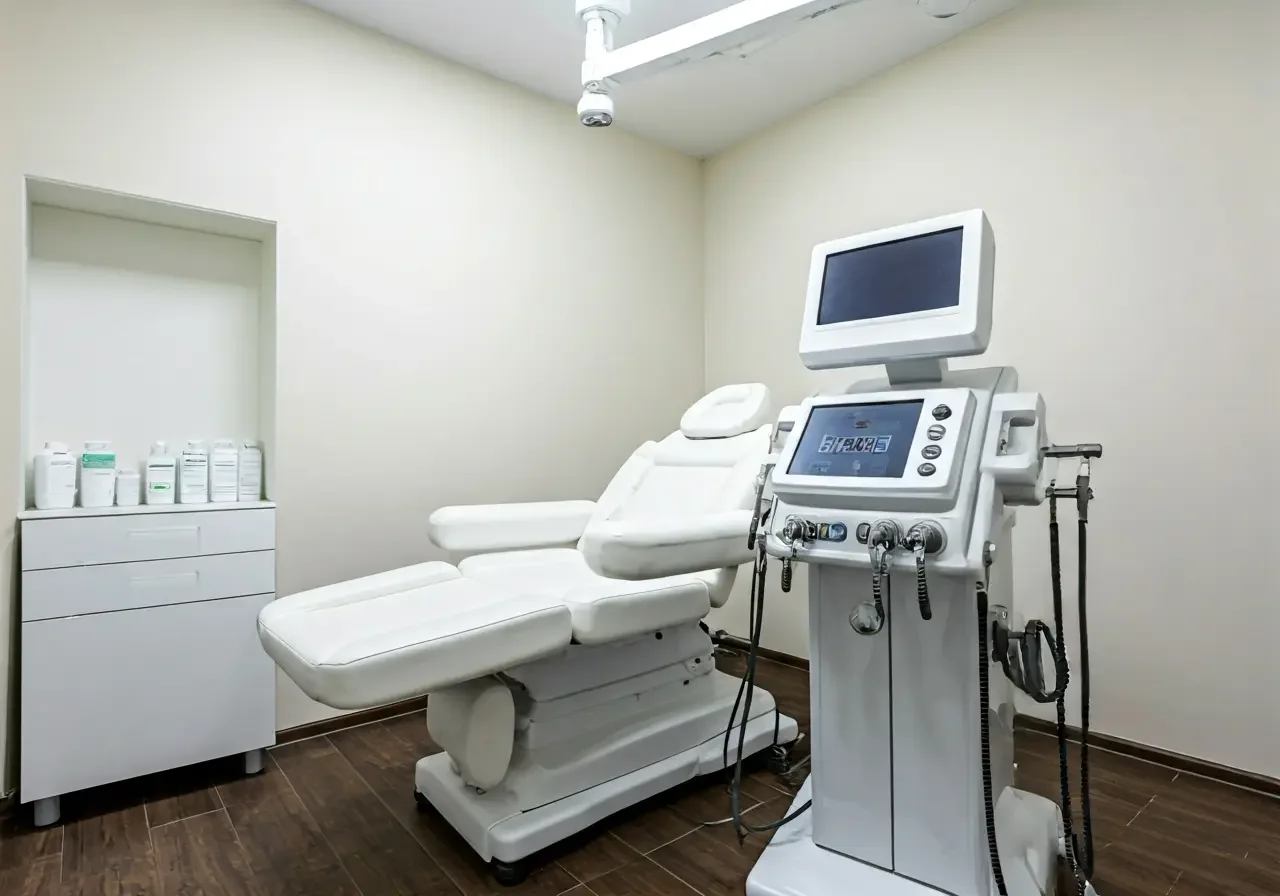
Science plays a pivotal role in aesthetic medicine, ensuring that treatments are safe, effective, and based on solid research. From understanding human anatomy to utilizing advanced technologies, the scientific foundation lays the groundwork for successful outcomes. When clients visit an aesthetic medicine clinic, they benefit from the cumulative knowledge of decades of research into skin biology, muscle structure, and minimally invasive procedures. This scientific backbone is critical, as it ensures that all procedures, whether they involve injectables or the latest laser technologies, are performed with the highest standards of care and precision.
In the realm of aesthetic medicine, new scientific advancements are constantly emerging. For example, the use of cutting-edge laser technology has revolutionized treatments for skin resurfacing, allowing practitioners to remove or diminish scars, wrinkles, and sun damage with impeccable accuracy. Such progress highlights the ongoing commitment of aesthetic clinics to leverage the best that science has to offer. Not only does this ensure enhanced outcomes, but it also provides reassurance to clients, knowing that they're benefiting from procedures that are at the forefront of medical science.
The Artistry Involved in Enhancing Beauty
Beyond the scientific aspect, aesthetic medicine also requires a keen eye for beauty and symmetry. Practitioners often use artistic principles to achieve natural-looking results, tailoring treatments to the unique features of each client. This is akin to an artist sculpting clay, where every stroke, every decision holds significance. For instance, when performing procedures like a dermal filler application, the practitioner must consider the natural contours and proportions of a client’s face to enhance their inherent beauty effectively.
The artistry in aesthetic medicine is not only about achieving a desirable look but also about preserving an individual's unique identity. Aesthetic specialists must possess the intuition to discern which techniques will harmonize with a person’s natural features. This demands expertise in facial mapping, as well as an understanding of how light and shadow play across different facial planes. As professionals in this field continuously refine their skills, they are often guided by the latest trends in aesthetics that emphasize subtle and natural enhancements.
It’s fascinating how aesthetic practitioners take inspiration from various art forms to influence their techniques. For some, understanding the works of great painters or sculptors provides insights into symmetry and form that they can apply in their work. In an aesthetic medicine clinic, every procedure becomes a fusion of clinical expertise and artistic vision, ensuring individualized care that resonates with clients' desires while underscoring their natural beauty.
Innovative Techniques and Technologies
Clinics continually evolve, embracing innovative techniques and cutting-edge technologies. From laser therapies to injectables, these advancements offer more options and enhance the precision and effectiveness of treatments. One such advancement, non-invasive body contouring, allows clients to shape and slim their bodies without the risks associated with invasive surgery. Another area of rapid innovation is regenerative medicine, where techniques like platelet-rich plasma (PRP) therapy harness the body’s own abilities to rejuvenate itself.
The rapid pace of technological advancement also includes the introduction of devices that provide real-time imaging and diagnostics. These tools have been revolutionary in creating accurate treatment plans tailored to individual needs. For instance, advancements in 3D facial imaging provide a multi-dimensional view of a client's features, aiding practitioners in planning procedures with astonishing precision. These technologies can improve the accuracy of procedures like precision laser treatments or in crafting bespoke skincare regimens.
The Importance of Personalization
Personalization is key in aesthetic medicine. By customizing treatments to individual needs and aesthetic goals, clinics can ensure more satisfactory results and a better overall experience for clients. Unlike the one-size-fits-all approach, personalized care in these clinics respects the biological, cultural, and personal diversity of each client. With the aid of comprehensive assessments and consultations, practitioners can offer a bespoke plan that aligns with each individual's vision, lifestyle, and skin type.
In the quest for truly personalized treatments, aesthetic medicine has embraced the idea of holistic care. This involves not just addressing superficial concerns but also considering the client’s health, lifestyle, and emotional well-being. The aspiration is to create outcomes that do more than alter the skin's surface; it’s about boosting overall confidence and well-being. A personalized approach ensures that everyone who walks through the doors of an aesthetic medicine clinic leaves feeling understood and valued. Ultimately, it's this personal touch that defines the excellence of care within these esteemed establishments.
Embracing the Art and Science of Aesthetic Medicine
Aesthetic medicine clinics beautifully blend the creativity of art with the precision of science. Understanding this duality not only enhances the appreciation for these treatments but also empowers individuals to make informed decisions about their personal beauty journeys.